
Understanding FSU and FSRU: Their Roles in LNG Storage and Regasification
In the dynamic world of Liquefied Natural Gas (LNG), when demand for liquefied natural gas (LNG) continues to rise, efficient storage and regasification are crucial for bridging the gap between producers and consumers. Two key technologies play a vital role in this process:
- Floating Storage Units (FSUs), and
- Floating Storage and Regasification Units (FSRUs).
Floating Storage Units (FSUs): Dedicated to Storage
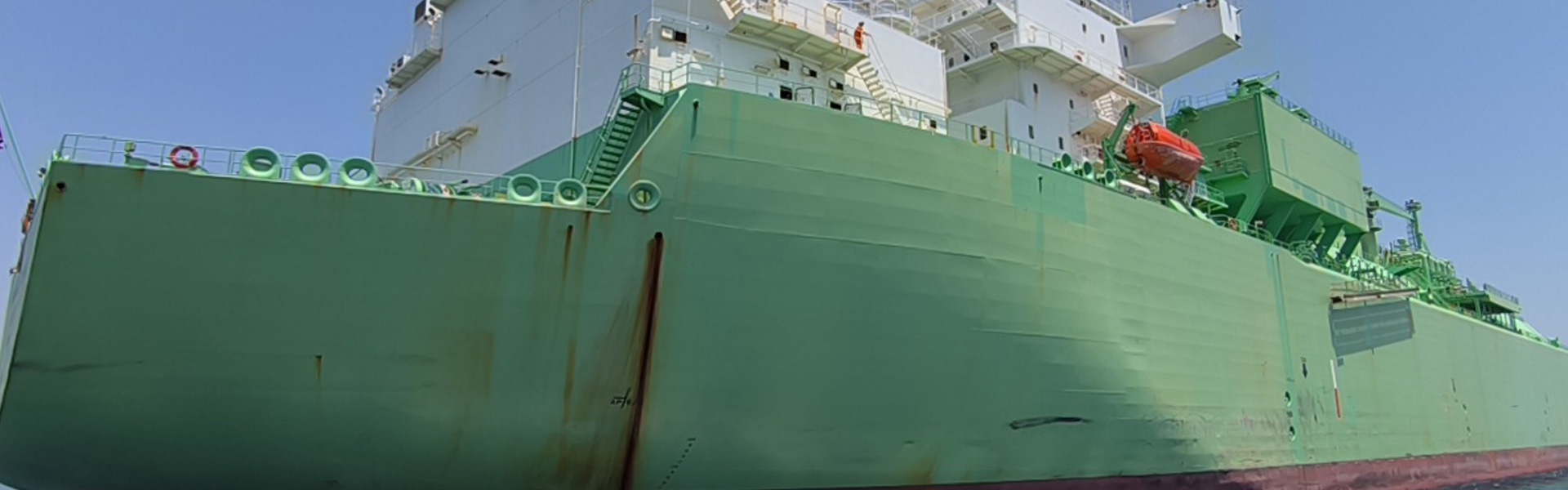
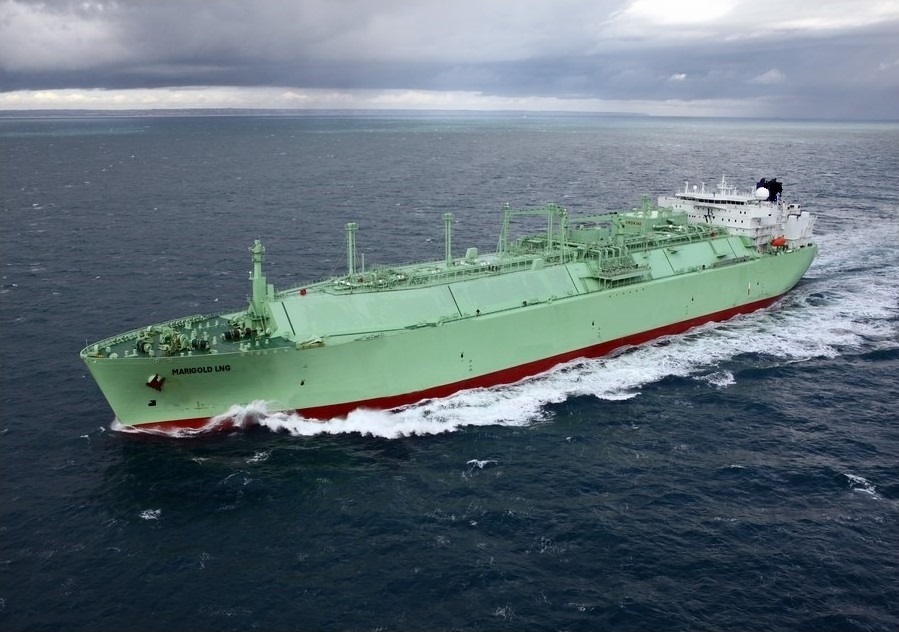
An FSU, or Floating Storage Unit, is essentially floating storage tanks designed specifically for LNG. It is a dedicated facility for the storage of LNG. FSUs are typically stationary and positioned near import terminals, offshore facilities, or ports. They act as large-scale storage tanks, ensuring a consistent and reliable supply of LNG. They are typically converted LNG carriers or purpose-built vessels equipped with sophisticated containment systems to maintain the cryogenic temperature of LNG (-162°C). FSUs primarily serve as large-scale storage facilities, providing strategic reserves of LNG for distribution or further processing.
Key Features of FSUs:
- Primary Function: Storage of LNG without regasification capabilities.
- Flexibility: Can be deployed in areas lacking onshore storage infrastructure.
- Cost-Effective: Repurposed LNG carriers are often more affordable than building new storage facilities.
Other Key Features of FSUs:
Kratos Gas recognizes the importance of staying ahead of the curve in this dynamic industry. Here's how they leverage these advancements in their services:
- Large storage capacity, allowing for significant LNG reserves.
- Connection to onshore or offshore regasification facilities via pipelines or transfer systems.
- Cost-effective solution for large-scale LNG storage.
- Can be permanently moored or relocated as needed.
Floating Storage and Regasification Units (FSRUs): Storage and Regasification Combined
FSRUs take the concept a step further by integrating both storage and regasification capabilities into a single floating platform. An FSRU, or Floating Storage Regasification Unit, is a specialized vessel that combines LNG storage with regasification capabilities. It is an integrated solution that eliminates the need for separate onshore regasification facilities. Unlike FSUs, FSRUs convert LNG back into its gaseous state onboard, making it immediately ready for distribution through pipelines to end users. This dual functionality makes FSRUs an efficient solution for meeting immediate gas demands in regions with limited infrastructure.
Key Features of FSRUs:
- Primary Function: Both storage and regasification of LNG.
- Rapid Deployment: Can be mobilized quickly to meet market demands.
This integrated approach offers several advantages:
- Onboard regasification technology, eliminating the need for separate onshore facilities.
- Faster deployment compared to onshore terminals, reducing project timelines.
- Flexibility in location, allowing for deployment in areas with limited onshore infrastructure.
- Cost-effective solution for smaller-scale LNG import projects or temporary solutions.
At Kratos Gas, we specialize in consultancy and operational support for both FSUs and FSRUs and deliver reliable, cost-effective LNG solutions.